Tinubu signs 2026 budget as questions loom over how it will be funded
Published on 2026 21, Tuesday Back to articles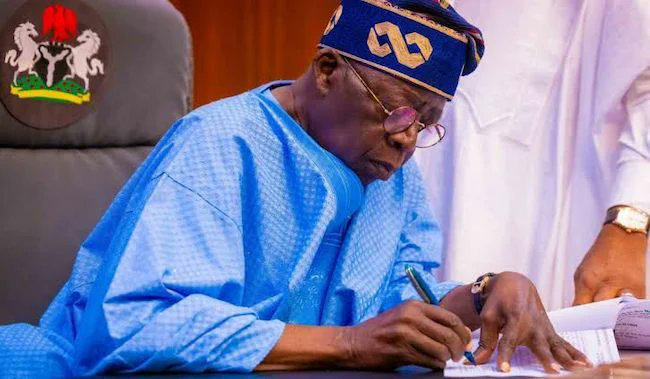
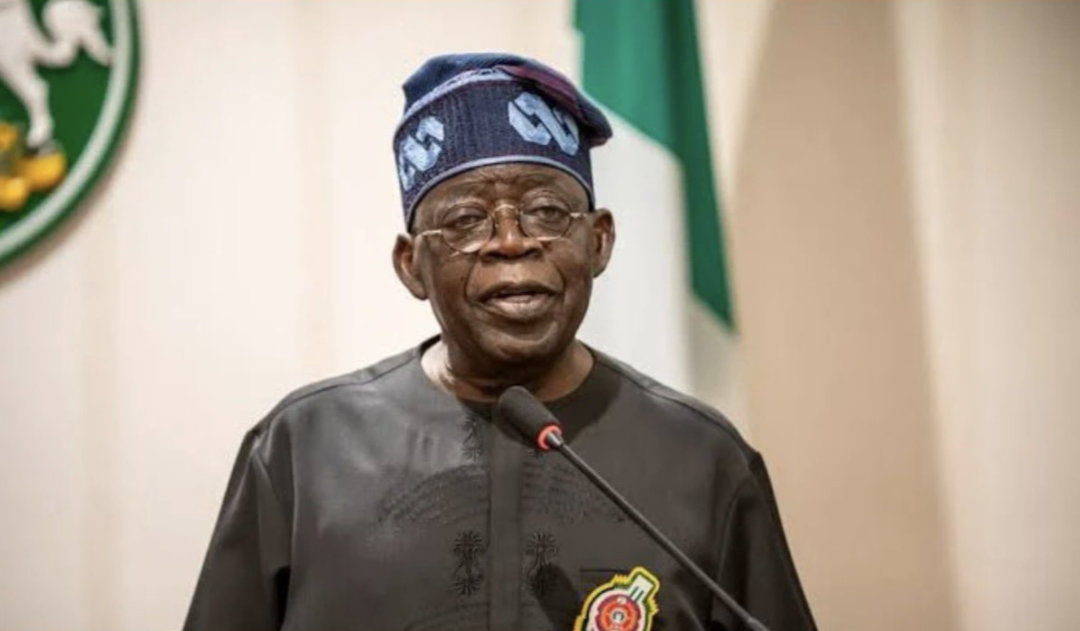
On 17 April, President Tinubu signed the nation’s biggest ever budget into law. Lawmakers have authorized the president to spend a total of NGN 68.32 trillion (~USD 50.9 billion) this year – or about NGN 10 trillion (~USD 7.5 billion) more than the government had planned to spend in 2025.
Notably, although the President signed the budget into law on 17 April, implementation was backdated to 1 April. This effectively shifts the budget cycle to April-March for the current fiscal year.
The decision to change this spending cycle, however, can best be understood as little more than a move to align with the reality on the ground. Since being sworn in, the President has never adhered to the January to December budget cycle, with spending plans routinely rolled over into the New Year. The same day that Tinubu signed the 2026 budget into law, he also authorized extending implementation of the capital portion of the 2025 budget to June of this year. This means that there will be at least three months’ overlap between the 2025 and 2026 spending plans.
The larger concern is how the government plans to fund the 2026 budget. Nearly half of planned expenditure – about NGN 32 trillion (~USD 23.8 billion) – is allocated to capital spending. Given Tinubu’s difficulty in funding much smaller capital budgets over nearly three years in office, many observers are likely to regard this target as highly ambitious, if not unrealistic.
Of the roughly NGN 23 trillion (~USD 17 billion) allocated to capital expenditure in 2025, only around 17 percent of commitments were cash-backed by the third quarter of last year. By the end of the year, less than half of the year’s planned expenditure had been cash-backed. That is why the 2025 capital budget has been rolled over into this year, with the President directing that outstanding projects be completed..
The main challenge routinely facing Nigeria’s budgets is the discrepancy between major expenditures and constrained revenues. For this fiscal year, the government is projecting revenues of NGN 34 trillion (~USD 25 billion) – approximately half of the planned expenditure. Although there have been reports that revenue targets could be raised to NGN 45 trillion (~USD 33.5 billion), the challenge is not raising the targets, but whether the government has the capacity to meet them.
Already this year, oil and condensates production has averaged around just 1.5 million bpd, about 300,000 barrels below the budget target of 1.84 million bpd for the year. This means that despite higher oil prices, there is a real chance that oil revenues fall far below set targets – particularly if a peace deal between US and Iran is reached and oil prices fall.
Debt servicing – projected at nearly NGN 16 trillion (~USD 11.9 billion) this year – is an additional burden that sharply constrains government spending. Recurrent non-debt expenditure is projected at NGN 15 trillion (~USD 11.2 billion). Together, those two items account for at least 70 percent of projected revenues, leaving Tinubu with little fiscal room to spend elsewhere without borrowing heavily. As such, although the President has signed an exceptionally large budget, full implementation would almost certainly require substantial borrowing.
This excerpt is taken from our Nigeria Politics & Security weekly intelligence report. Click here to receive a free sample copy. Contact info@menas.co.uk for subscription details.