Obi’s emergence as NDC’s candidate sets the stage for a competitive contest
Published on 2026 2, Tuesday Back to articles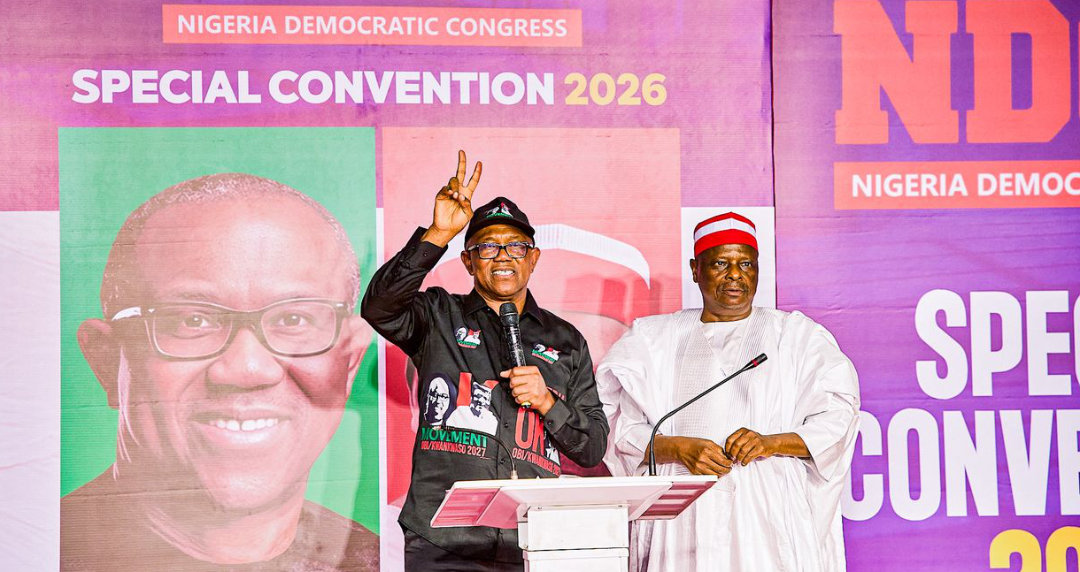
Peter Obi accepting his presidential candidacy for the NDC
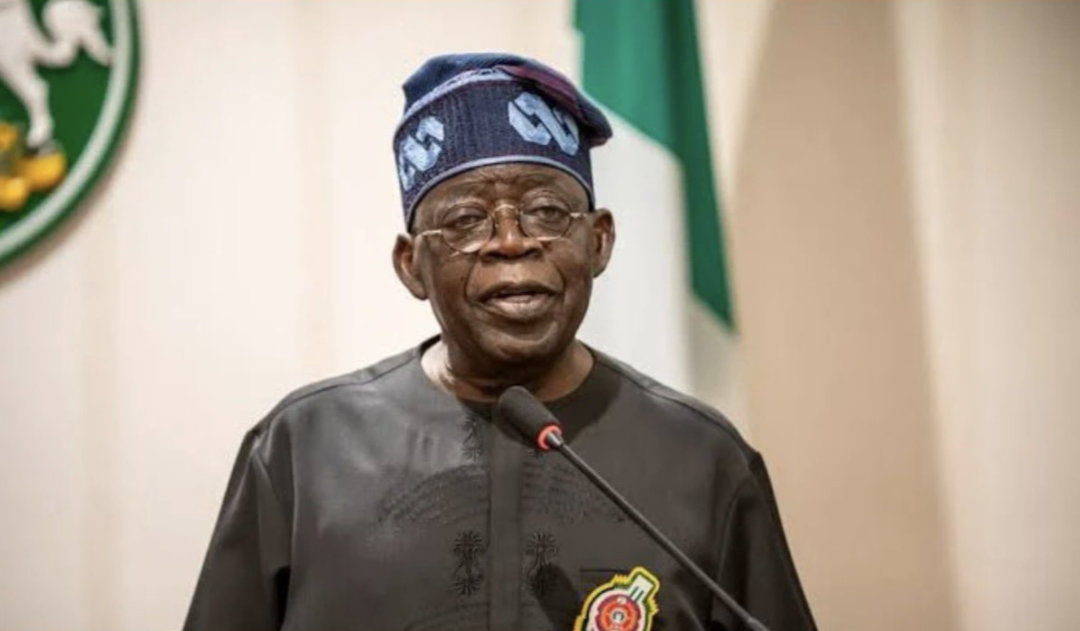
Peter Obi, the presidential candidate of the Labour Party in the 2023 general election, formally emerged as the presidential candidate of the Nigeria Democratic Congress (NDC) at a special convention on 30 May, setting the stage for a three-man contest in the January polls. Obi was the only candidate on the NDC platform, and his emergence was affirmed by party members.
Obi defected to the NDC on 4 May after it became clear that he was unlikely to be endorsed as the presidential candidate of the ADC, the party he had defected to from the Labour Party (LP). Obi immediately named Rabiu Kwankwaso, who was the presidential candidate of the New Nigeria Peoples Party (NNPP) in the 2023 polls, as his running mate. Kwankwaso is regarded as the strongman of Kano politics, the only state he won in the 2023 election. His emergence as Obi’s running mate is likely to boost Obi’s electoral chances in the northern part of the country, where he struggled in 2023.
Obi is popular among young and urban voters, especially in southern Nigeria. His emergence as the NDC presidential candidate means that Tinubu will have to work harder in the South to win in 2027. In the 2023 polls, Obi secured 89 percent of the total votes cast in the Southeast and 44 percent of the votes cast in the South-South, even though there is evidence that his votes in Rivers State were manipulated in favour of Tinubu. That could have given him more votes in the region.
Obi also received 32 percent of the votes cast in the North Central, another region where there is a perception that his votes were suppressed. Obi secured about 20 percent of the votes cast in the Southwest, about 9 percent in the Northeast and about 5 percent in the Northwest. Overall, he received about 25 percent of the total votes cast in the 2023 polls, compared with the 36 percent that Tinubu secured to emerge as the winner.
While Obi remains highly popular, he is unlikely to repeat his 2023 performance. This is largely because he was underrated in the 2023 election. In the 2027 polls, the political class is aware of the threat he poses and will therefore likely move to suppress votes in the states where he is expected to perform strongly. In addition, about 32 governors have already pledged to support Tinubu’s second-term bid, unlike in 2023, when he had far fewer governors openly backing him. This will strengthen Tinubu’s campaign and competitiveness even in the Southeast, where Obi’s biggest strength lies.
However, having Obi and Abubakar on the ballot in 2027 will make the poll more competitive for Tinubu. The race is likely to become more ethnically and religiously charged, and the chances of violence will rise as election day approaches. Even so, Tinubu’s position as incumbent, and the fact that he is backed by state resources and a larger campaign budget means that he will retain the edge.
This excerpt is taken from our Nigeria Politics & Security weekly intelligence report. Click here to receive a free sample copy. Contact info@menas.co.uk for subscription details.