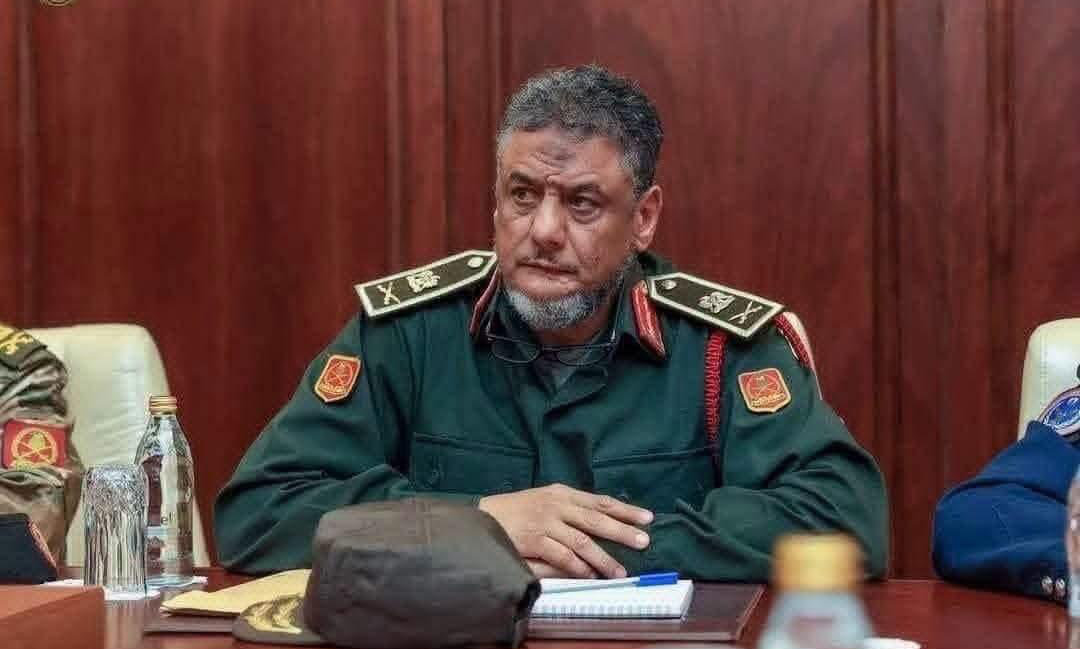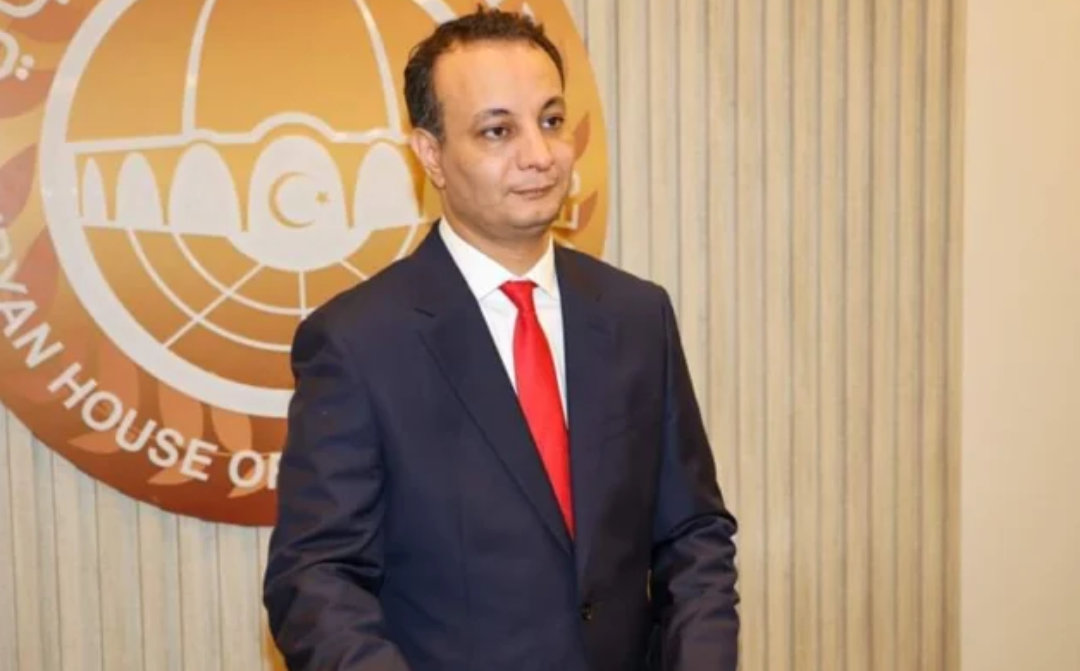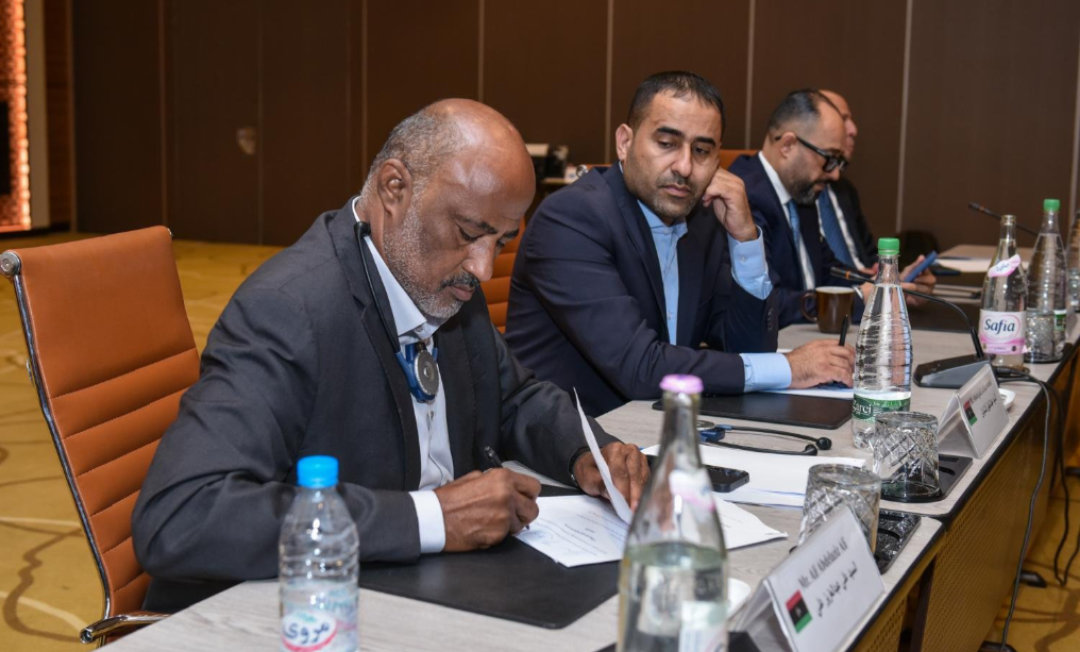
The HCS voted to revoke evoke the membership of Abduljalil al-Shawish and Ali Abdulaziz over their participation in the 4+4 dialogue committee
The formal signing of the 4+4 Agreement has produced sharply different reactions from the two legislative chambers whose approval is required, while Presidential Council President Mohamed al-Menfi has separately emphasised the need for any settlement to meet a wider test of political legitimacy.
The High Council of State (HCS) held a session on 8 September and voted to revoke the membership of two of its members who participated in the 4+4 dialogue committee, Abduljalil al-Shawish and Ali Abdulaziz. The decision represents a significant escalation of the HCS leadership’s opposition to an agreement it says was signed without its authorisation. Al-Shawish subsequently rejected the decision, arguing that a vote by 46 members was insufficient under the HCS’ internal rules.
The House of Representatives (House) appears more receptive. Reports indicate that the agreement has the support of more than 100 MPs. House member Abdulmoneim al-Arfi has pointed to growing support, while House Speaker Aguila Saleh invited MPs to a session on 14 September to consider the agreement.
Al-Menfi, meanwhile, has focused on the legitimacy of the process itself. On 6 September, he briefed 14 foreign ambassadors and received military commanders from Misrata as well as notables from across Libya. While reiterating his support for any consensus capable of ending or shortening the transitional period, he stressed that legitimacy should derive from the ballot box rather than a fait accompli and rejected arrangements that marginalise formal state institutions.
The competing positions leave ratification as one of the immediate tests facing the agreement. House approval would provide important institutional support but would not by itself resolve opposition from the HCS. A settlement carried by one chamber despite the rejection of the other could reproduce the disputes over legal and political legitimacy that have undermined previous frameworks. Al-Menfi’s emphasis on popular legitimacy further reinforces the argument that institutional ratification is ultimately a means of reaching elections rather than a substitute for them.
This excerpt is taken from our Libya Politics & Security weekly intelligence report. Click here to receive a free sample copy. Contact info@menas.co.uk for subscription details.