Dire straits - what the Iran war really means for the global economy



Date: 2026 25, Wednesday
Time: 14:00 - 15:00
Date: Wednesday 25 March | Location: Online Webinar | Time: 14:00 – 15:00 (UTC)
CRI | Menas and Mees are pleased to bring you this joint briefing led by Mees Managing Editor, Jamie Ingram.
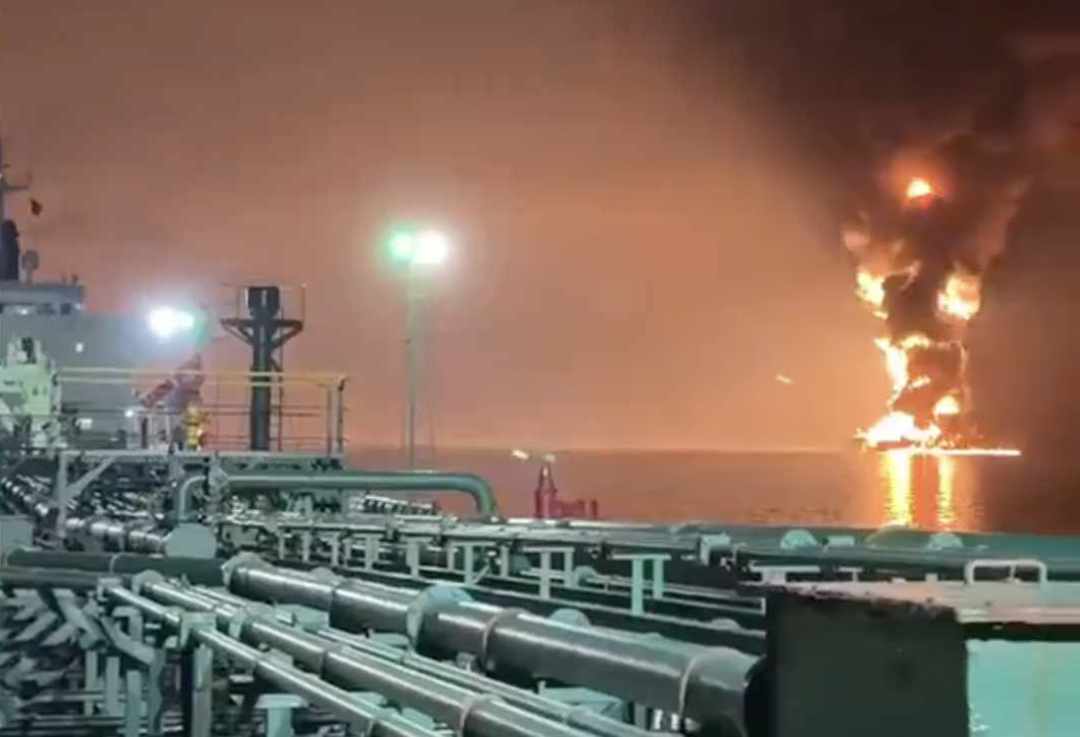
The conflict in the Gulf and effective closure of the Strait of Hormuz has profound implications for global energy supplies and the economic stability of regional states. The region accounts for roughly 20% of global oil production and LNG exports. Bypass options for the former are limited, and non-existent for the latter. Crude oil prices are back above $100/B for the first time since 2022, while jet fuel prices have reached all-time highs. Multilateral efforts to cushion the impact through the largest emergency stock release ever overseen by the IEA offer breathing space, but the energy crisis will not be resolved until vessels can once again safely transit the Strait of Hormuz.
MEES has been publishing weekly analysis of the region’s oil and gas sector since 1957 and its expertise has been highly sought after by government and private sector stakeholders as the conflict has unfolded in recent weeks. Grounded in decades of expertise, MEES adds invaluable depth and context to the headlines generated by fast-moving developments.
This webinar will examine why the region’s oil and gas is so critical to the global economy, and why diesel and jet fuel markets are especially exposed to the fallout. As new trade flows bed in, what are the limitations to contingency plans, and how might bypass routes be squeezed should the conflict escalate further?
The webinar will cover:
- Which countries have viable bypass options, and what their limitations are
- Why a global oil crisis could become a regional gas crisis
- How quickly production closures can be unwound
- A summer conflict would be especially harmful for Gulf states
- Which other commodities are also impacted by Hormuz
Speaker
Jamie Ingram is Managing Editor at Middle East Economic Survey (MEES), where he has spent the last decade leading the publication’s analysis on energy and political developments in the Gulf. He has a particular focus on how the Gulf states are navigating the energy transition through balancing their core oil and gas activities with the need to accelerate economic diversification. Prior to joining MEES, he worked as a Gulf Analyst at IHS (now S&P) in London and RUSI in Qatar. He is a regular commentator on energy sector issues and has extensive experience briefing clients on developments in the region.