Hijacking draws attention to Libya’s poor airport security
Published on 2016 28, Wednesday Back to articles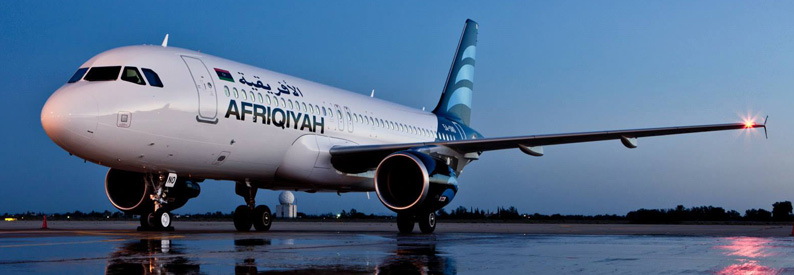
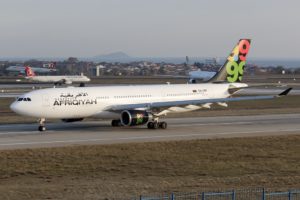
On 23 December, an Afriqiyah Airways flight carrying 118 passengers left Tamenhint Airport, near Sebha, for Tripoli. It is one of the few flights connecting southern Libya with the rest of the country. Two hijackers brandishing what turned out to be fake weapons, including fake explosives, forced the flight to divert to Malta where it landed. Ironically it disrupted the filming of a movie about a hijacking because the entire airport was closed. Within four hours the hijackers — Musa Soku and Ahmed Saleh — had released all the passengers and had surrendered to the Maltese authorities. The hijackers had waved the Qadhafi-era green flag after first landing, but their motivations were unclear, and there was little immediate evidence to support their ties to any former regime groups or major factions. They pleaded not guilty to charges of terrorism and the use of violence.
Despite the international media attention on the hijacking, locals were unsurprised by the news. Airport security in Libya is lax and particularly at Tamenhint Airport. For years border security missions — including the EU Border Assistance Mission — have emphasised the need for improvements in airport security, but the security situation in the country had prevented the planned assistance from being implemented.
The hijacking also came as Libyan authorities have been trying to improve air services and reconnect the country to the outside world. A new civil aviation college opened in Misrata on 29 December. Flights from Misrata restarted on 27 December following strikes by baggage handlers over unpaid salaries. Strikes had occurred at eastern airports but had been quickly resolved after the eastern government organised payment through the eastern Central Bank branch sooner than the GNA did for the Misrata strikers. Meanwhile direct Libyan Wings flights from Misrata to Tunis are expected to begin on 5 January. There were also reports that repairs to Tripoli International Airport — which was virtually destroyed in mid- 2014 — are almost complete and services are expected to begin soon with the support of an Italian company.
With all these new services, it may be tempting for foreign missions and businesses to try and return to Libya, because contingency planning for evacuation and travel throughout the country appear easier. The on-going lack of airport security means, however, that there must still be a risk that a hijacking could happen again.