Libya awards oil and gas exploration licences in landmark tender
Published on 2026 16, Monday Back to articles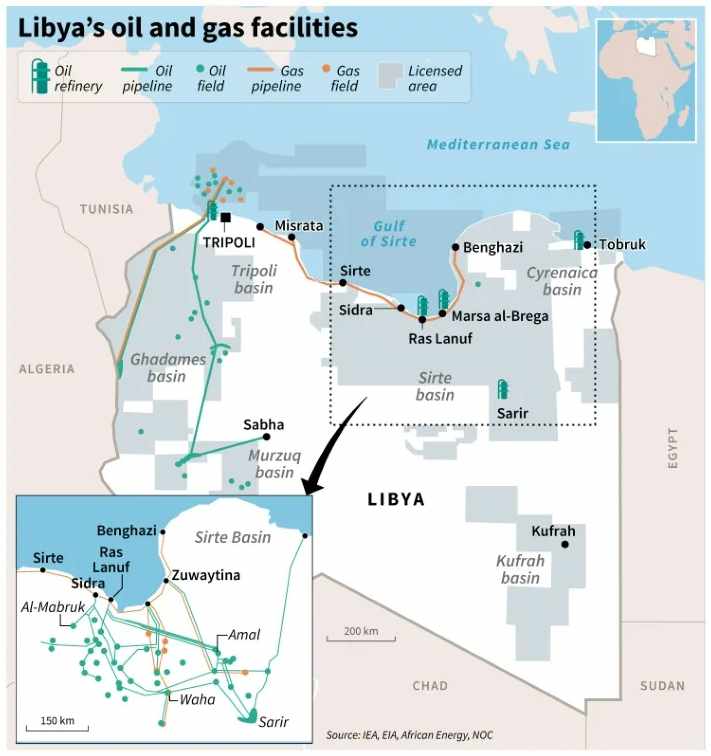
On 11 February, the National Oil Corporation (NOC) announced the results of Libya’s first international licensing round in 17 years. The tender offered 20 exploration blocks across the Sirte and Murzuq onshore basins and the western Mediterranean Sirte offshore basin. Five global companies and consortiums secured contracts: Italy’s Eni in partnership with QatarEnergy; a consortium of Repsol, TPAO and MOL; a separate Repsol-TPAO partnership; the American firm Chevron; and the Nigerian independent Aiteo. This initiative marks a strategic shift aimed at restoring Libya’s position in global energy markets and increasing production from 1.4 million to 2 million barrels per day.
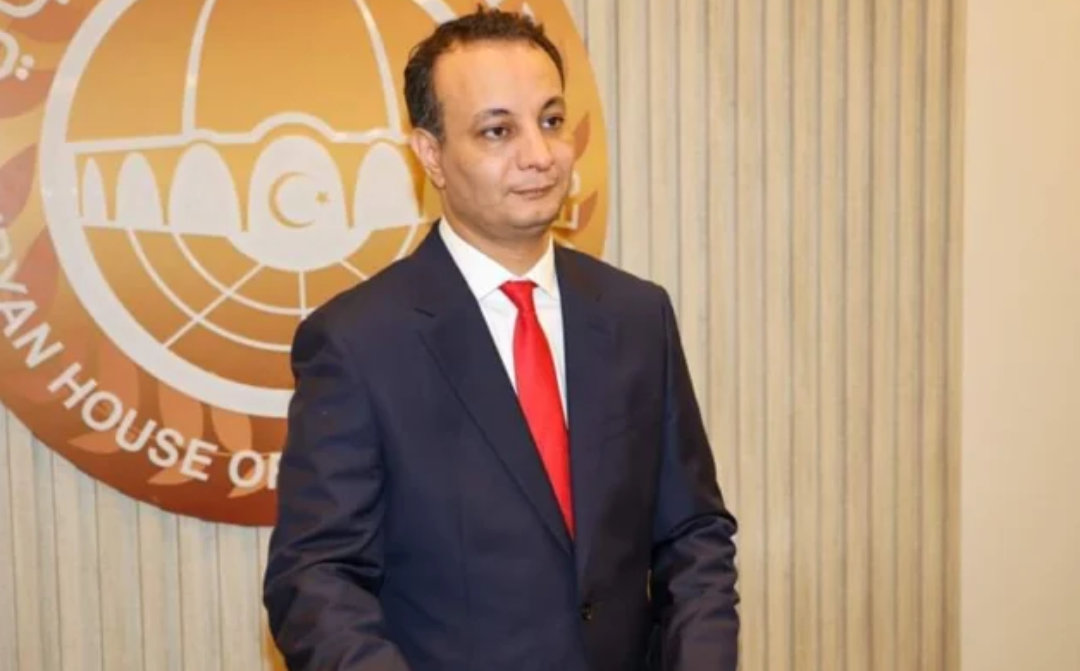
GNU Prime Minister Abdelhamid Dbeibah attended the official ceremony in Tripoli alongside NOC Chairman Masoud Suleiman and GNU Oil and Gas Minister Khalifa Abdulsadek. Suleiman confirmed that while five blocks were successfully awarded, others remained vacant due to non-compliant technical bids or a lack of interest. The NOC will review non-compliant offers and may open negotiations to improve terms for the next round.
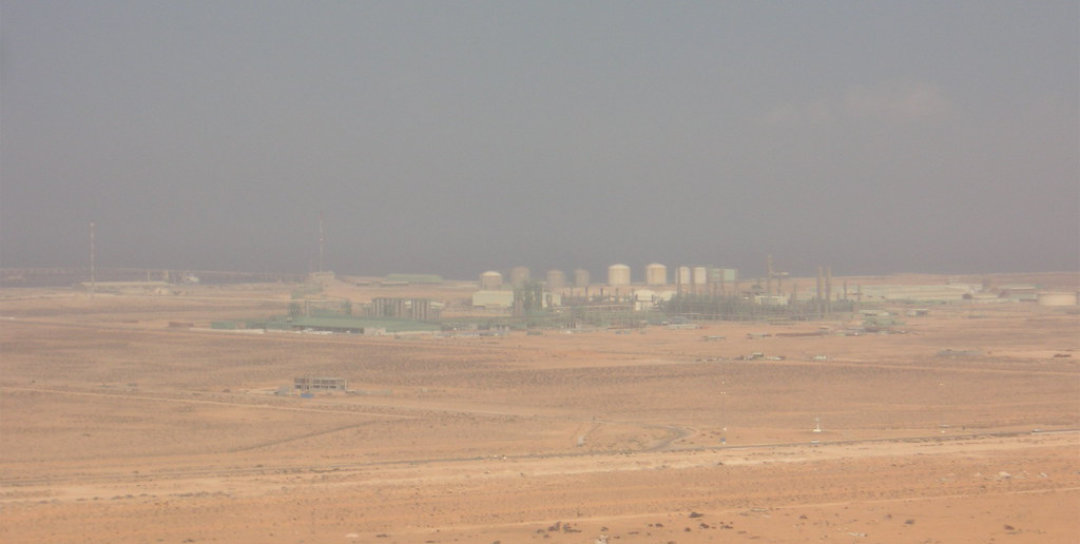
The results reflect a significant return of major IOC’s despite persistent political fragmentation and institutional fragility. Eni and QatarEnergy secured offshore Block 01, while the Repsol-MOL-TPAO consortium won offshore Block 07. Chevron’s acquisition of the Sirte S4 license signals a critical return to Libya’s richest onshore basin. In the southern Murzuq basin, Aiteo’s success marks a rare entry for a private African independent. Analysts note that the dominance of state-backed entities like Eni, TPAO, and QatarEnergy suggests that companies with sovereign support are better equipped to navigate the high risk-premiums currently priced into the Libyan market by international financiers.
Industry observers noted that although the NOC had introduced a new contractual model intended to provide investors with greater financial flexibility, Libya’s competitiveness remains hindered by a risk premium imposed by the international market due to security and political uncertainty. Nevertheless, Suleiman emphasised that the successful tender demonstrated institutional transparency and a commitment to quality standards. Future efforts to attract investment are likely to focus on bolstering institutional stability and contractual clarity to reduce market uncertainty, rather than relying on additional financial incentives alone.
This excerpt is taken from our Libya Politics & Security weekly intelligence report. Click here to receive a free sample copy. Contact info@menas.co.uk for subscription details.