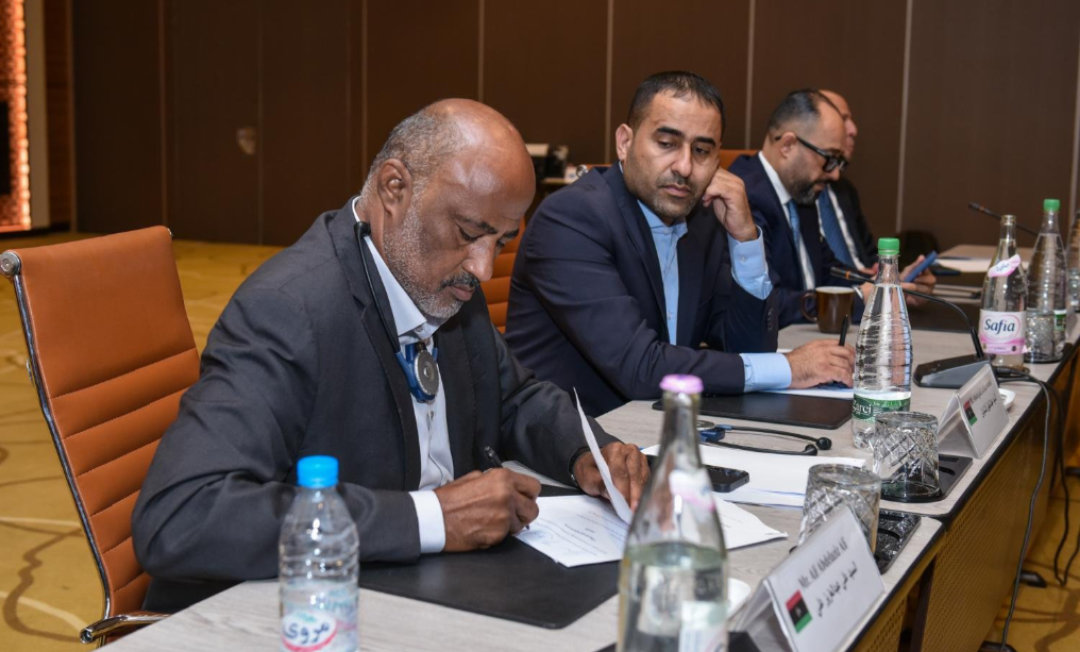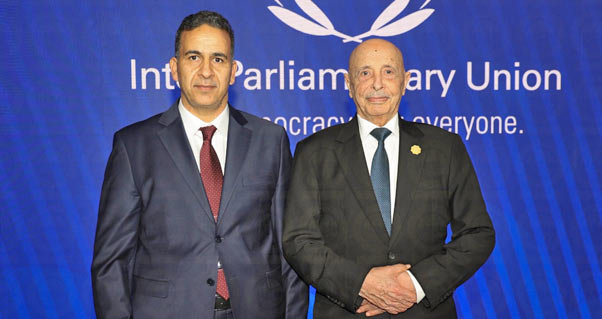
Aguila Saleh at the Assembly of the Inter-Parliamentary Union in Instanbul
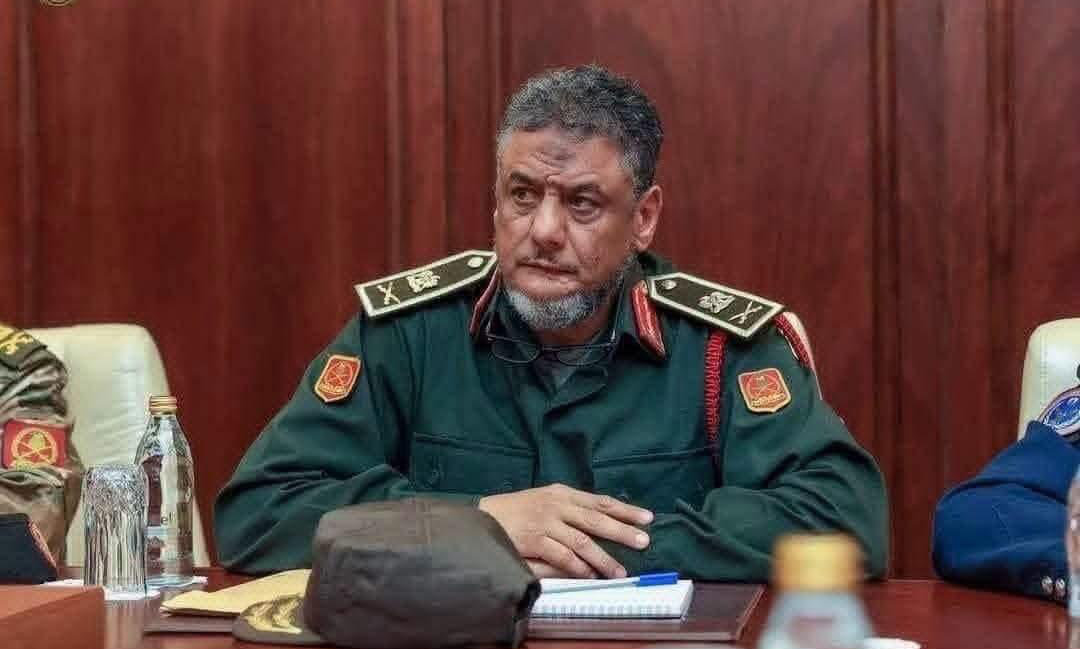
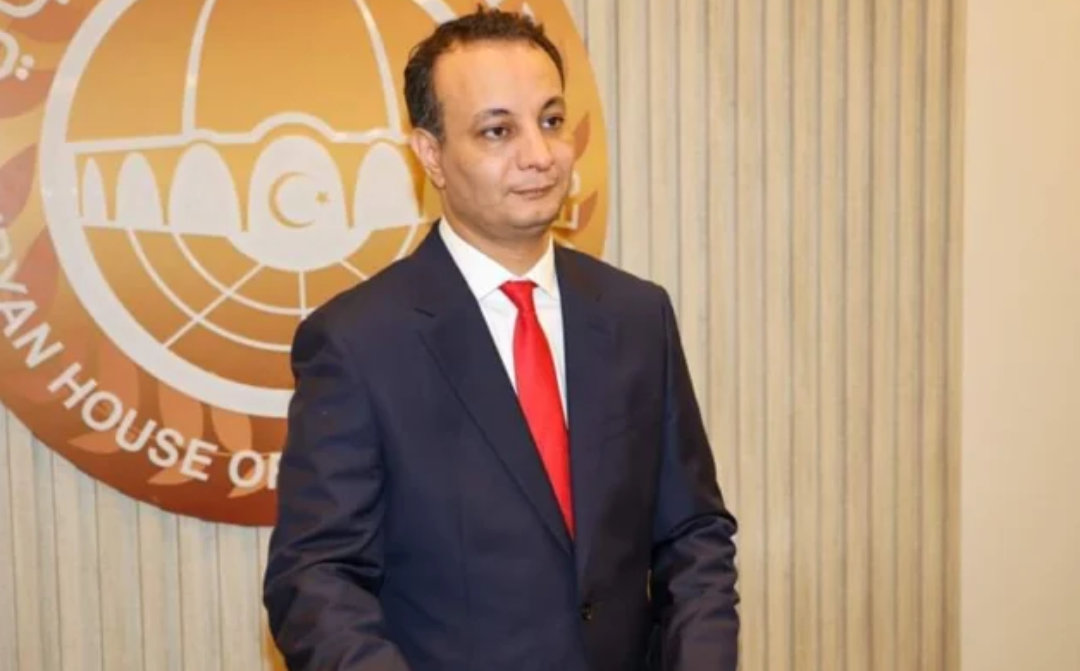
The announcement of a unified national budget, mediated by the US Senior Adviser for African and Arab Affairs, Massad Boulos, appears to be a pragmatic financial truce designed to protect oil revenues and secure foreign investment after more than a decade of fiscal division. However, this economic alignment has also exposed a deepening institutional split, as radical Islamists led by Mufti Sadiq al-Ghariani and supporters linked to a major faction within the High Council of State (HCS) denounced what they described as ‘back-room deals’ between camps aligned with Government of National Unity (GNU) Prime Minister Abdelhamid Dbeibah and Libyan Arab Armed Forces (LAAF) Commander Khalifa Haftar. This emerging power-sharing axis is being consolidated via a UN-led ‘Mini-Table’ mechanism in which both the GNU and the LAAF have reportedly named senior representatives to finalise electoral laws. While this bilateral engagement aims to bypass the perennial constitutional impasse, it has alienated both the HCS and the House of Representatives (House). House Speaker Aguila Saleh, leading a delegation in Istanbul, has continued to demand a new interim government as a prerequisite for any vote, while HCS blocs have warned that such ‘suspicious family-based settlements’ violate the Libyan Political Agreement (LPA) and could lead the country back into armed conflict.
While the High National Elections Commission (HNEC) has previously stated that it maintains technical readiness, the lack of a unified security mechanism and intense institutional resistance to the Dbeibah-Haftar Mini-Table suggest that a credible nationwide vote remains a distant prospect. The unified budget has provided a much-needed economic anchor, but by seeming to trade democratic legitimacy for a narrow form of stability between two dominant power centres, the international community risks creating a brittle new status quo that marginalises the very institutions required to sustain a long-term transition.
This excerpt is taken from our Libya Politics & Security weekly intelligence report. Click here to receive a free sample copy. Contact info@menas.co.uk for subscription details.