A forced reset for NNPCL after Tinubu’s executive order targets oil and gas revenues
Published on 2026 23, Monday Back to articles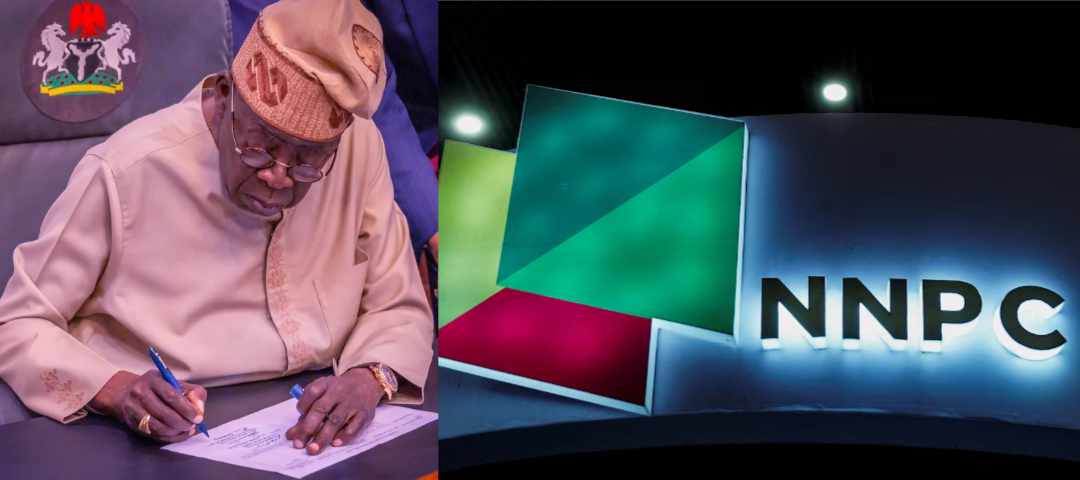
President Bola Tinubu has launched a raid on the Nigerian National Petroleum Company (NNPCL)’s treasure chest in an effort to bolster dwindling revenues to the federation account, in a move that could test the survival of the state-owned energy firm and place pressure on the nation’s oil production and potential reserves. On 18 February, President Tinubu signed an executive order ordering the NNPCL to halt making certain deductions from oil and gas sales that the 2021 Petroleum Industry Act had given it powers to collect.
More specifically, Tinubu ordered the NNPCL to stop – with immediate effect – holding back the 30 percent of oil and gas profits which it had been retaining as management fees for overseeing the nation’s production sharing contracts with oil firms. The NNPCL retains another 30 percent of profit as contribution to frontier exploration funds. In total, this had meant that the NNPCL had been keeping 60 percent of oil and gas profits, and sending the balance to the federation account to be distributed to the three tiers of government.
Tinubu has based his executive order on Section 44(3) of the Nigerian Constitution, which places the ‘ownership, control, and derivative rights in all minerals, mineral oils, and natural gas in, under, and upon any land’ in the country in the Government of the Federation. He argues that the executive order restores the constitutional entitlement of the federal, states and local governments to resources, which Petroleum Industry Act had taken away, stating: “The PIA created structural and legal channels through which substantial Federation revenues are lost through deductions, sundry charges, and fees.”
With these funds now off the table, the expectation is that it will force a reset of NNPCL operations. A leaner, more profit-driven corporation is expected to emerge, with unprofitable units shut or closed or sold off. It is probable that the NNPCL will be more eager to spin off its refineries to private sector players. There are also likely to be layoffs, which will likely be resisted by the powerful oil workers unions.
The EO is not without its risks. It is likely to trigger some uncertainty in the oil and gas sector. Tinubu’s decision to use an executive order to override an existing law will also worry operators in the sector for the precedent it sets. The move creates uncertainty around the laws that guide operations in the oil and gas sector and the commitment of the government to obeying these laws – including those that it does not favour.